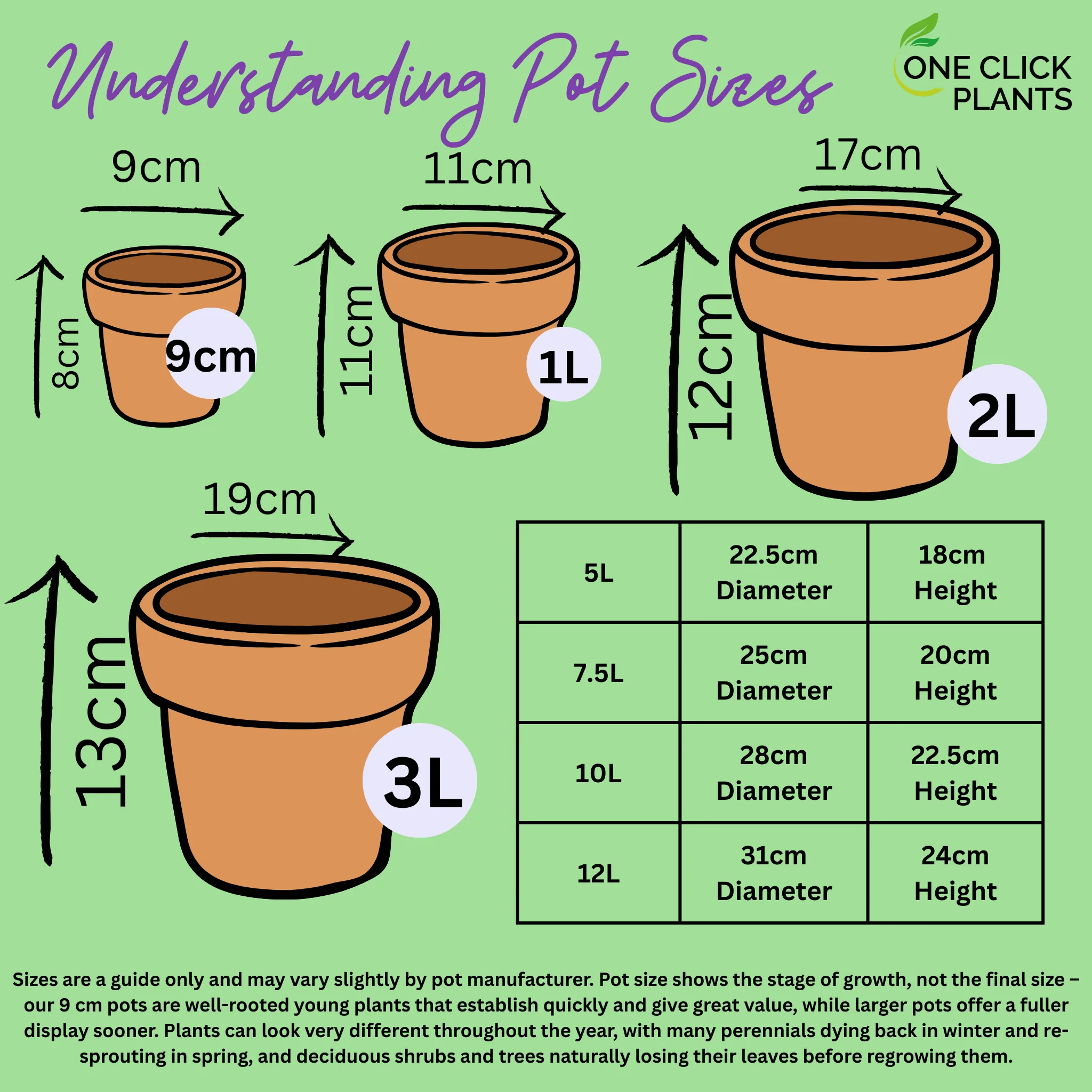
Papaver 'Beauty of Livermere' (Poppy) 9cm/2L/3L
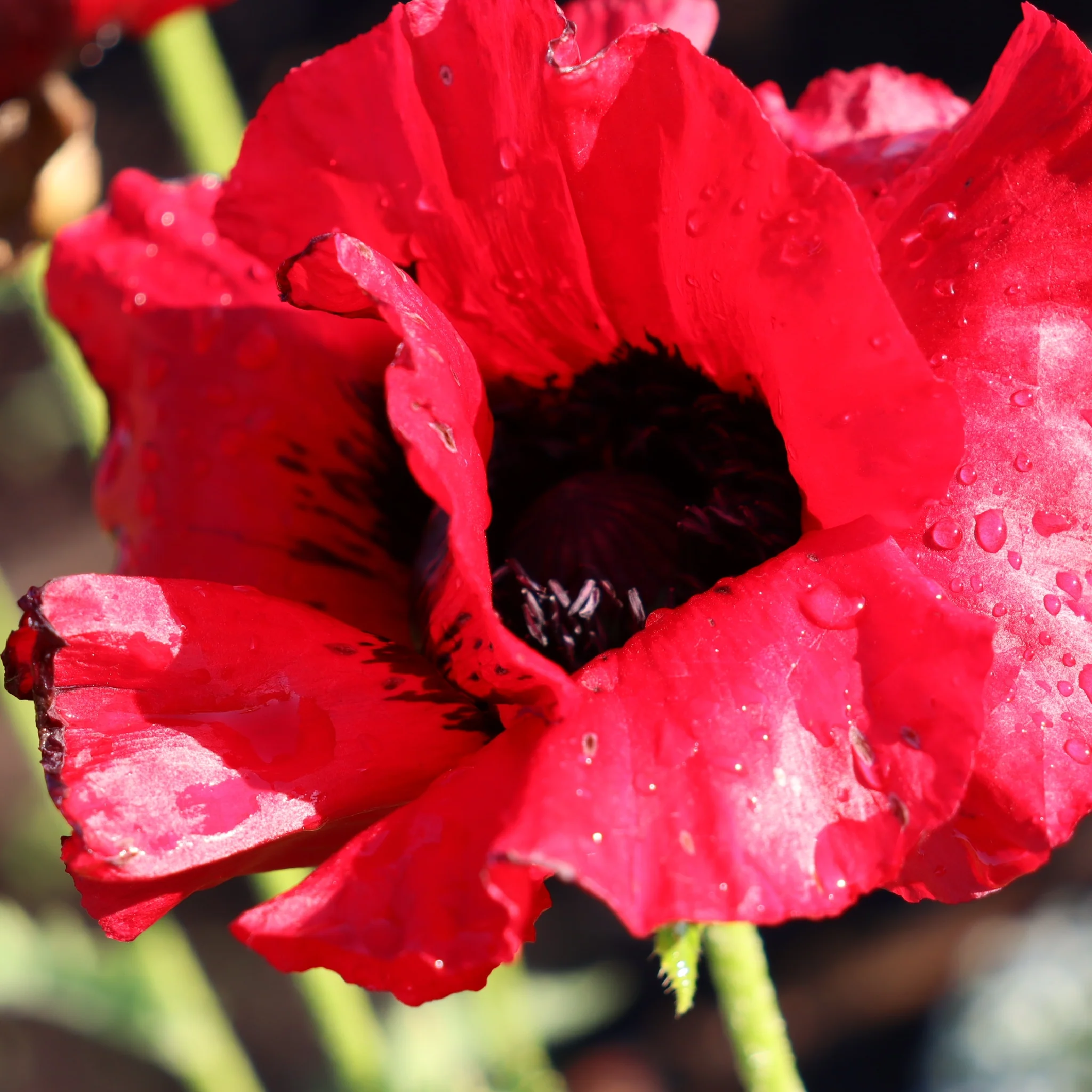
This striking oriental poppy produces large, deep crimson flowers with dramatic black centres. The bold blooms appear in early summer and make a powerful statement in borders. After flowering, foliage dies back naturally before returning later in the season.
Quick Facts
• Sunlight: Full sun
• Soil: Well drained soil
• Flowering time: May to June
• Height and spread: Around 90cm tall and 60cm wide
• Hardiness: Fully hardy perennial
• Wildlife: Attracts pollinators
This perennial is herbaceous, dying back after flowering and reappearing later in the year. This is completely normal for oriental poppies. Please plant as normal.
Original: $16.95
-70%$16.95
$5.08More Images
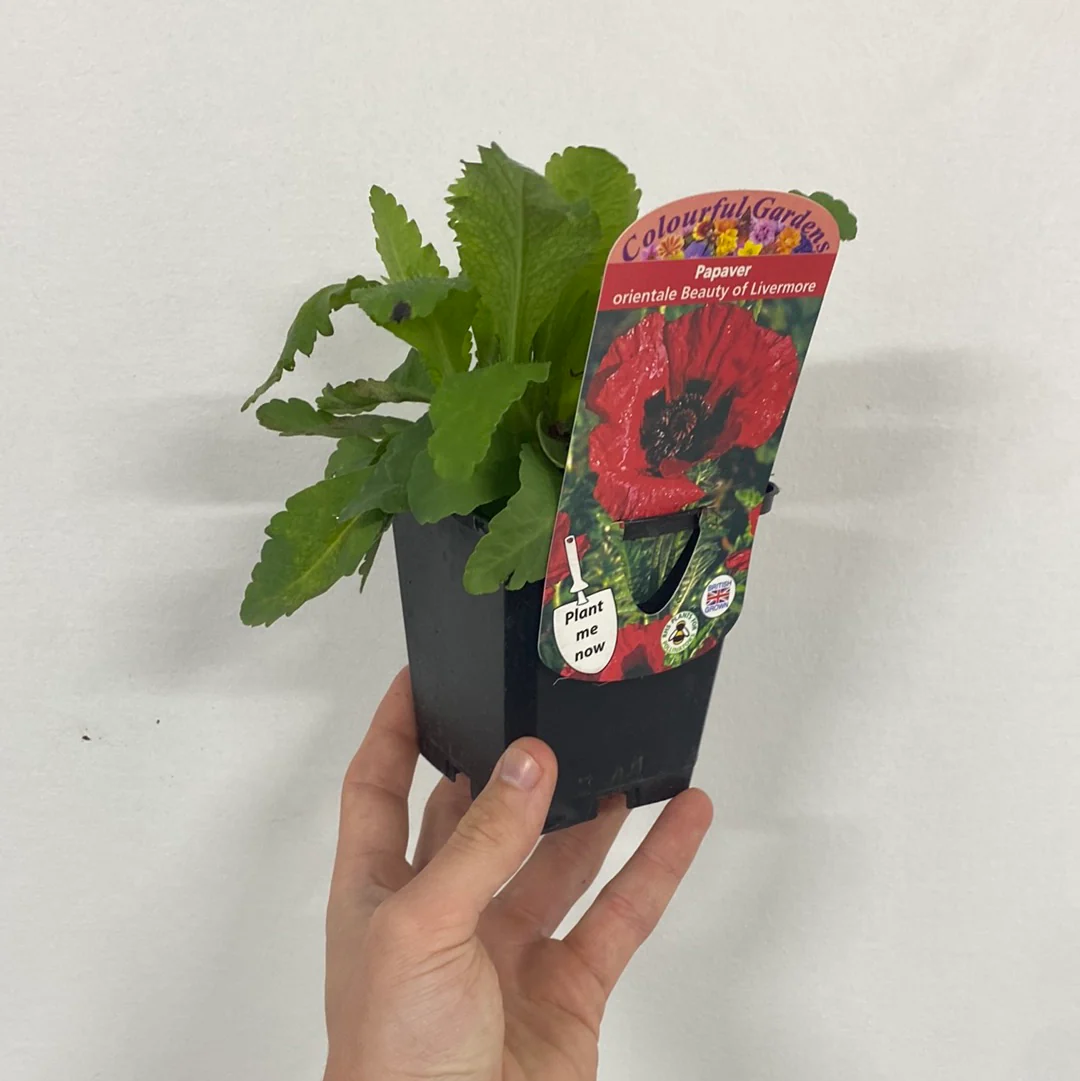


Papaver 'Beauty of Livermere' (Poppy) 9cm/2L/3L
This striking oriental poppy produces large, deep crimson flowers with dramatic black centres. The bold blooms appear in early summer and make a powerful statement in borders. After flowering, foliage dies back naturally before returning later in the season.
Quick Facts
• Sunlight: Full sun
• Soil: Well drained soil
• Flowering time: May to June
• Height and spread: Around 90cm tall and 60cm wide
• Hardiness: Fully hardy perennial
• Wildlife: Attracts pollinators
This perennial is herbaceous, dying back after flowering and reappearing later in the year. This is completely normal for oriental poppies. Please plant as normal.
Product Information
Product Information
Shipping & Returns
Shipping & Returns
Description
This striking oriental poppy produces large, deep crimson flowers with dramatic black centres. The bold blooms appear in early summer and make a powerful statement in borders. After flowering, foliage dies back naturally before returning later in the season.
Quick Facts
• Sunlight: Full sun
• Soil: Well drained soil
• Flowering time: May to June
• Height and spread: Around 90cm tall and 60cm wide
• Hardiness: Fully hardy perennial
• Wildlife: Attracts pollinators
This perennial is herbaceous, dying back after flowering and reappearing later in the year. This is completely normal for oriental poppies. Please plant as normal.